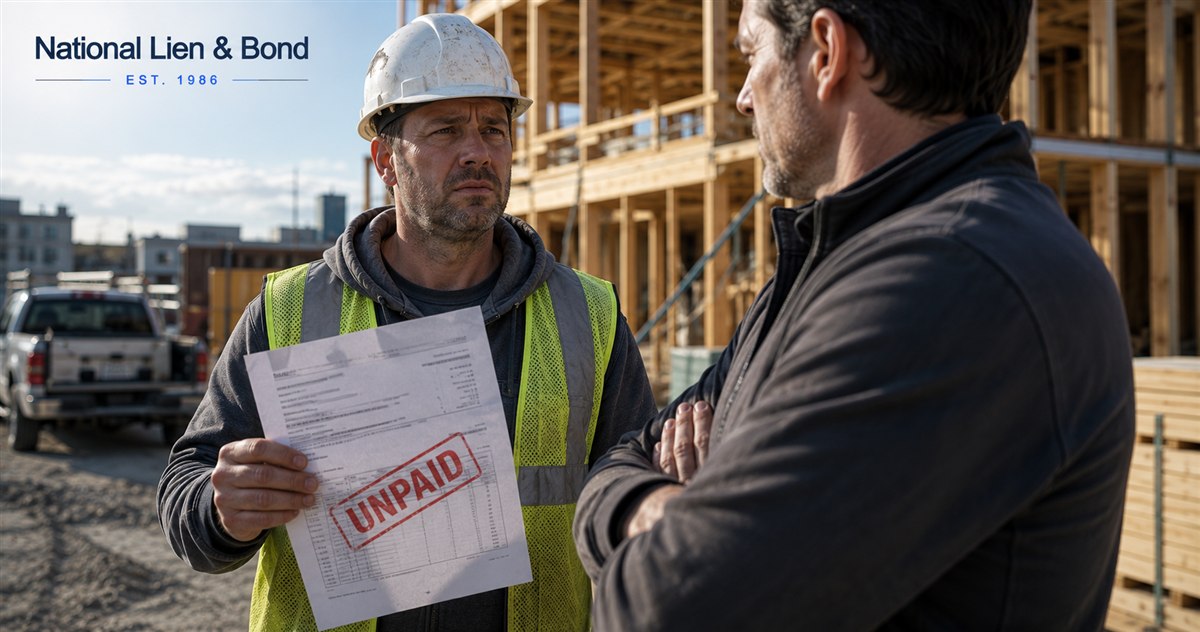
When the Contractor Refuses to Pay the Subcontractor
In the construction industry, contractual relationships between a general contractor and various subcontractors are the norm. It is simply the way business is done. The general contractor may not perform any work at all on the project and can act more as a manager than anything else, leaving the actual work to subcontractors, employees, or suppliers. This structure becomes complicated on almost any project, especially when there is a dispute or a failure to pay for work performed. When the contractor refuses to pay the subcontractor, it is up to the subcontractor to protect its legal rights through a mechanics lien.
The Contract Is the Basis for Any Relationship
The basis for any relationship between a general contractor and a subcontractor is the contract, and a detailed, professional contract is the single most important step in protecting your right to get paid. Depending on the scope of work and several other factors, the contract can be simple or complex, but at a minimum it should describe the work to be performed and the materials to be used, set a timeline and expectations of performance, and state how much and when the subcontractor will be paid. From there, the subcontractor is responsible for submitting invoices as work is completed. If the general contractor fails to pay, the subcontractor must protect the rights afforded under the contract. In the field of mechanics liens, the most important consideration is the deadlines under local law, which vary greatly from state to state. A professional subcontractor will know the filing deadlines for a lien and any related documents.
Waiting on money for a job?
Tell us what happened and National Lien & Bond will connect you with an attorney in your state. Free consultation, no obligation.
Documentation Is Key
Documentation is key to enforcing any contract, perhaps even more so in construction. A subcontractor that is organized and professional should be able to collect and produce every document related to the work performed, including an accurate accounting of the money owed. That helps whenever a dispute arises and supports the basic information needed to file a notice of intent to lien and the lien itself.
Give It One Last Try Before Formal Proceedings
Before filing any official lien documentation, it may be worth contacting the general contractor to try to resolve the issue without formal legal proceedings. Mistakes happen in complex business relationships, and sometimes a subcontractor's invoice simply slipped through a crack. There are reasonable explanations for a general contractor not releasing funds on time, and you should examine those reasons before filing a lien or related documents. If you have not been paid by the invoice's due date, call the general contractor and ask why. That can resolve the issue quickly and preserve positive relationships among the parties.
File a Notice of Intent to Lien
If a phone call or email does not resolve the issue, file a notice of intent to lien or the lien itself. The proper filing depends on your location, the contract, and the timeline, and the subcontractor should always know how the system works where the project sits. These issues are not complicated, but minor distinctions can affect your rights and obligations. The most important consideration is any deadline imposed by your local lien statutes, and you must file your lien documents before those deadlines pass. Remember that your lien filing remains in place even if you are paid after the filing date, so if the general contractor eventually pays you, cancel the filing promptly.
What Happens If the General Contractor Continues to Refuse Payment?
If the general contractor keeps refusing payment, filing a mechanics lien is the first step in keeping the contractor honest. By filing the lien, you give notice to all interested parties that there is a payment problem, that you have performed work and have not been paid, and that you will pursue payment through foreclosure or a collection suit. In other words, you put the general contractor and the other parties on notice that the project is not living up to expectations and that legal action could affect the property.
Staying on Top to See It Through
This kind of lien can appear intimidating to subcontractors who are not experienced in the law, at least at the start. Even for those experienced in the field, it can help to consult a construction attorney. Having an attorney on your side streamlines the process and lets you focus on your projects instead of chasing unpaid bills. An attorney can help you collect the information and documents you need and stay on top of every deadline.
Legal support becomes even more important when an unpaid subcontractor faces outside problems involving the general contractor. If a lender forecloses on the property or the general contractor goes bankrupt, the debt owed to the subcontractor remains, and liens are often enforced based on the order in which they were filed. A subcontractor should always be prepared in case the general contractor refuses payment, and a mechanics lien is the legal device used to protect your rights. Contact us if you need help protecting yours.
Waiting on money for a job?
Tell us what happened and National Lien & Bond will connect you with an attorney in your state. Free consultation, no obligation.
Related Articles
Mechanics Lien on Your Property: Owner Response Guide
A guide for unpaid contractors and suppliers on placing a lien to secure a debt. Covers mechanics liens, preliminary notices, notices of intent, filing with the county, and how judgment liens offer a second path to collect.
Read Article
How to file a mechanics lien in Illinois and get paid
A step-by-step walkthrough of the Illinois mechanics lien process: the 90-day notice of intent, the verified lien with its affidavit and legal description, filing with the county Recorder of Deeds, and the 2-year window to enforce.
Read Article
The Negotiation Equation - Your Key to Payment
Emalfarb Law's Negotiation Equation reduces payment leverage to a simple formula: Transaction plus Power equals Payment. This post explains each variable and how a strong contract combined with preserved legal rights puts you in a better position to collect.
Read Article