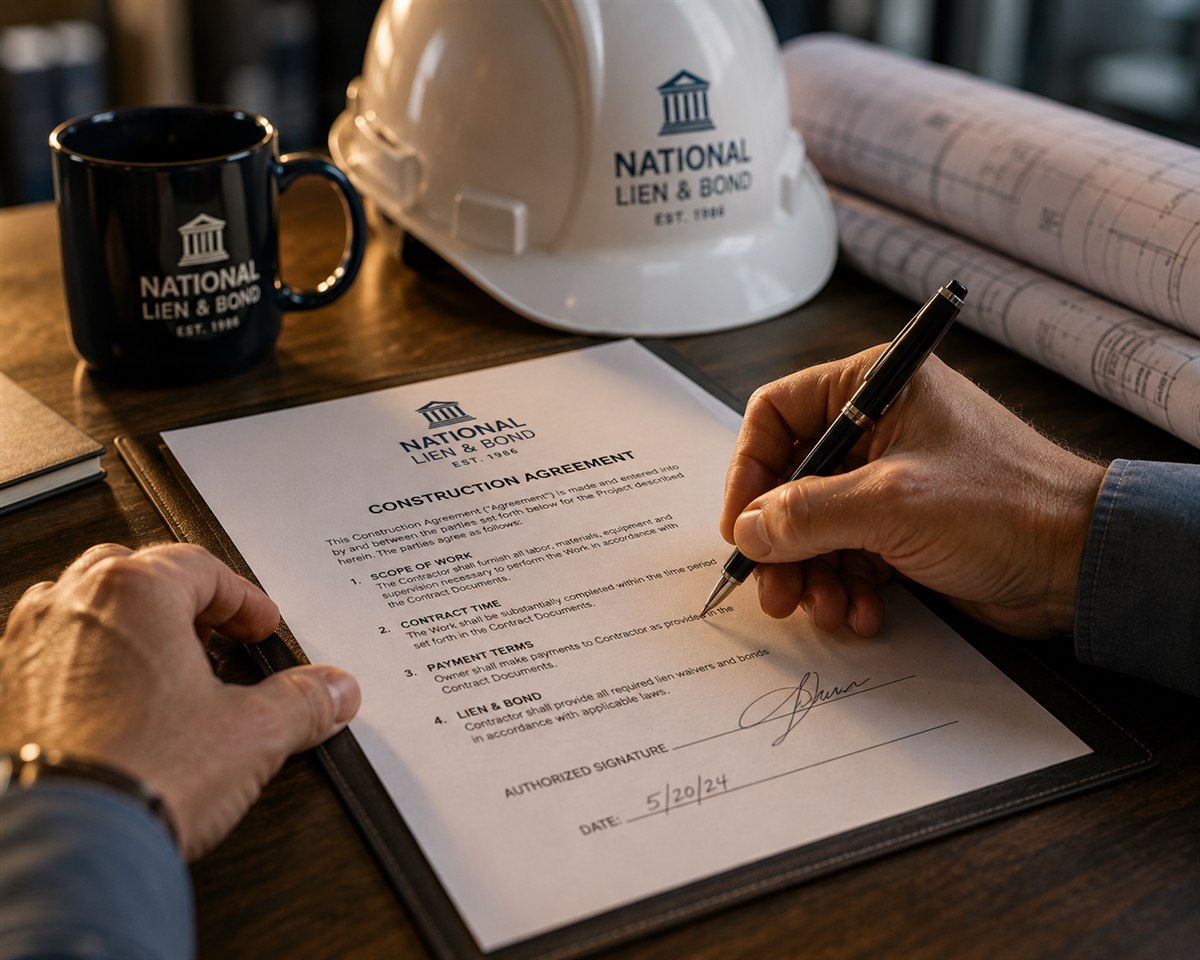
Key Elements of an Enforceable Construction Contract
Contracts are for lawyers, or at least they should be. General contractors, subcontractors, and just about everyone else in the construction industry face more contracts every year. The more familiar you are with how they work, the better. In its most basic form, an enforceable contract sets out the scope of work to be performed and explains how payment will work. This article breaks down the key elements that make an enforceable contract for a construction project.
The Four Elements of Contract Formation
Contract formation requires four elements:
- Offer
- Acceptance
- Consideration
- Intention to be bound
In other words, you have something and someone else wants to buy it. You agree on a price, money is exchanged, and you have a contract. Some contracts, typically those based in property, must be in writing, so make sure you know what is required in your jurisdiction. Some legal terms have special meaning in the context of contracts, and knowing them may help you get a better deal.
Consideration is one of those terms. In essence, it requires an exchange between the parties, whether that is goods, materials, services, or money. To form a contract, you give something of value, such as time, energy, or resources, and the other side pays you in return in some way. Without that exchange, a contract is generally not enforceable.
Waiting on money for a job?
Tell us what happened and National Lien & Bond will connect you with an attorney in your state. Free consultation, no obligation.
Detailing the Scope of Work
Detailing the scope of work is one of the most important aspects of a construction contract. Special challenges arise when the project changes after the contract is signed, but provisions can be written to cover nearly any imaginable change order.
How and When Payment Becomes Due
In addition to a scope of work that is as detailed as possible, every contract should address how and when payment becomes due and payable. It is always important to explain who decides when work is complete for a stage or for the entire project, and to state clearly who the responsible party is.
Is It Illegal or Impossible?
Beyond the things a contract must include, there are two things a contract cannot be: illegal or impossible. For public policy reasons, courts will not enforce a contract that is illegal in nature. And impossibility of performance has rendered more than one contract unenforceable.
Lien Waivers and Local Rules
States and localities have different rules for things like lien waivers. Other minor differences exist between jurisdictions, so always confirm that you are in compliance with all contractual rules. Most jurisdictions require construction and real estate transactions to be in writing, and other form requirements may apply.
The Arbitration Clause
For some contracts, including an arbitration clause is a good idea, as it can allow for cheaper and faster resolution of disputes down the line. Some contracts include a clause confirming that the parties had their legal team review the agreement. Other clauses may be appropriate for your specific contracts.
Never Sign What You Do Not Mean or Understand
As simple as a contract appears, remember that you are making promises whenever you sign one. Sometimes we see so many contracts that we barely read them. That is a mistake. Whether or not there is ill intent, mistakes can be made, and we can agree to things we do not want. Make sure you understand everything in every contract, and if you do not, take the time to figure it out. A lawyer can help if things get complicated.
Why do we sign contracts at the end, and why are we asked to initial every page? For centuries, a person's mark or signature has represented the intent to be bound. Before you sign anything, take the time to read and understand it. Your signature is proof of what you intended to do, and you are generally bound by the terms of the document. You cannot later try to explain a problem away, because the words of the document control.
Exchange of Value for Consideration
The most basic contract is formed by offer, acceptance, consideration, and an intention to be bound. From there, if you describe the scope of work and the terms of payment, you likely have an enforceable contract. Even these basic elements can be complicated to prepare, so if you have questions, contact us for guidance on your contract.
Waiting on money for a job?
Tell us what happened and National Lien & Bond will connect you with an attorney in your state. Free consultation, no obligation.
Related Articles

Construction Change Directives Explained
Change directives differ from change orders because they direct a contractor to perform additional work without agreement on scope, price, or time. This post explains how they work, how they are resolved, and why they often signal disputes.
Read Article
Avoiding One-Sided Contracts
A detailed look at protecting subcontractors and suppliers from one-sided GC contracts, covering how to negotiate fair terms, spot killer clauses, limit scope of work, secure timely payment, and handle indemnification and insurance risks.
Read Article
What Are Liquidated Damages in a Construction Contract?
Liquidated damages set the amount owed on a breach inside the contract itself, as a fair estimate of losses that are hard to measure. This guide explains when a liquidated damages clause is valid, the role of substantial completion, and how the amount is determined.
Read Article