3 Key Details of Lien Waivers in Illinois
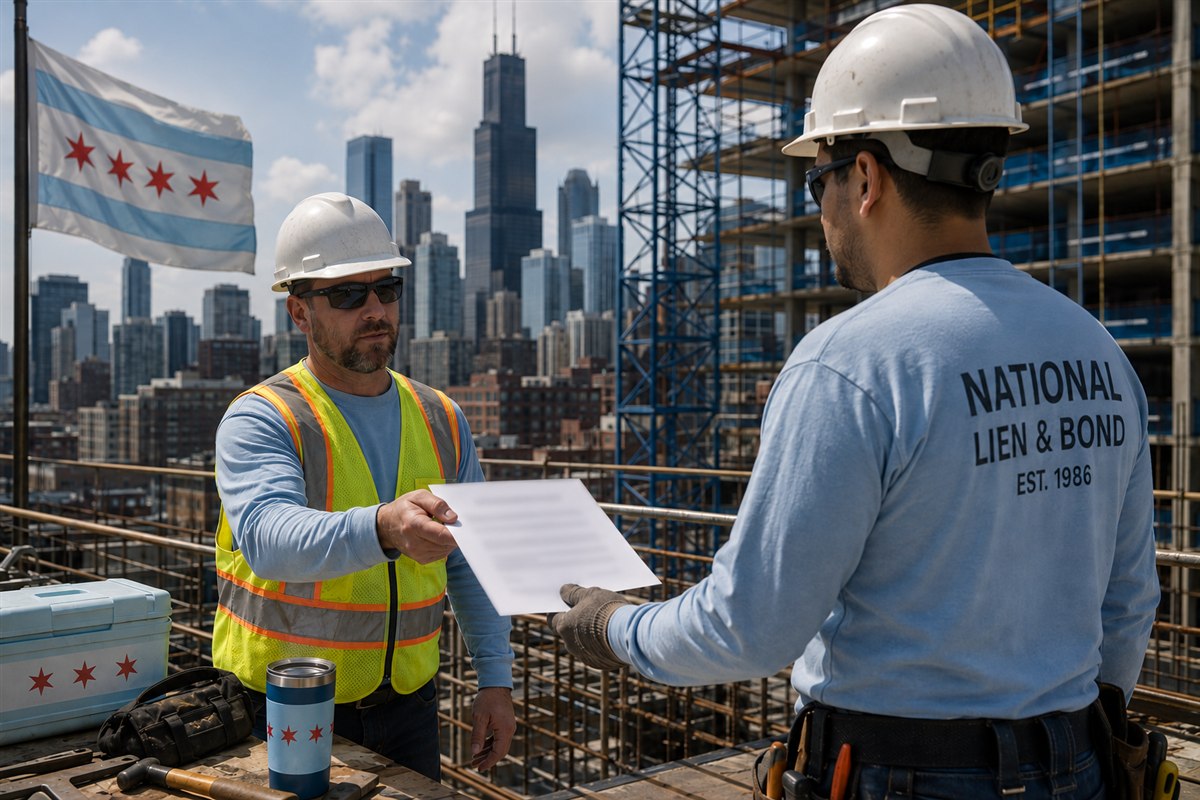
As part of a private construction project, you'll likely be exchanging payment for a signed lien waiver. If you're working on a project in Illinois, it's important to know that there isn't a statutorily set lien waiver form like many other states use, so you need to pay attention to these three key details each time you sign a waiver.
Lien Waivers Must be by Express Agreement
There are two kinds of waivers a partial or final waiver of lien. Typically the GC requires you waive your lien rights in advance. You should not sign a partial or final lien waiver until you are paid or add express conditions to your waiver that states you will only waive your lien rights after you in fact get paid.
Generally, these lien waivers are conditional, meaning that they are enforceable only if all the conditions in the document are met. In the event that payment does not occur, or isn't in the amount specified, then the waiver is not enforceable. Unconditional lien waivers that waive lien rights regardless of whether the other conditions are met are also allowed in Illinois, so you want to make sure you understand which type of waiver you're signing. Be careful not to sign a waiver of lien by date if you weren't paid for work through the date you waived your lien.
Waiting on money for a job?
Tell us what happened and National Lien & Bond will connect you with an attorney in your state. Free consultation, no obligation.
Lien Waivers Must be Signed After Work is Complete
By statute in Illinois, you cannot sign a lien waiver before you start work.
In Illinois, this rule means that lien waivers signed before work is complete are not valid and so a second lien waiver would need to be completed once payment occurs. However, since the document does not need to be notarized, it only has to be signed by both the paying party and the party releasing their right to file a mechanics lien.
Continue to Pay Attention to Lien Deadlines
Once you've signed a lien waiver form, you still want to track the deadline for filing an Illinois mechanics lien. If the waiver was conditional, in the event payment doesn't go through or doesn't match the details outlined in the lien waiver, you have to file your mechanics lien in a timely fashion to preserve your right to payment.
If you need help understanding how to set up business processes that make filing and tracking mechanics liens seamless, reach out to the team at National Lien & Bond. In addition to helping our clients review contracts, file, and track mechanics liens, we offer custom lien seminars for qualified construction management professionals in your company to ensure you have a clear understanding of the lien process and how you can leverage both your team and outside help to keep payments on track. To see if your company qualifies for a custom mechanics lien seminar, fill out a request now.
Waiting on money for a job?
Tell us what happened and National Lien & Bond will connect you with an attorney in your state. Free consultation, no obligation.
Related Articles

Conditional Waiver and Release Upon Final Payment
A conditional waiver and release upon final payment only takes effect once payment actually clears. This post compares conditional and unconditional waivers, covers state-regulated forms, and flags the risks contractors face.
Read Article
Understanding Washington State Lien Laws
A walkthrough of Washington's private-project mechanics lien rules, including the notice of right to claim lien and its 60-day look-back, the 90-day filing deadline, the 14-day owner notification, the eight-month enforcement window, and lien waiver cautions.
Read Article
The Negotiation Equation - Your Key to Payment
Emalfarb Law's Negotiation Equation reduces payment leverage to a simple formula: Transaction plus Power equals Payment. This post explains each variable and how a strong contract combined with preserved legal rights puts you in a better position to collect.
Read Article