
What Does a Mechanics Lien Lawyer Actually Do to Help You?
When you need to file a mechanics lien, there are a number of advantages to employing an attorney to handle the process for you. Attorneys understand the nuances of lien laws and can give legal advice. This is especially useful if you're working in a number of different areas, don't experience drafting the appropriate preliminary notices and lien forms, and don't have the staff and tracking in place to follow up and make sure the work is complete.
Even for simple lien filings
Being able to hand the work off to someone else and know that it will be taken care of can be a relief. Whether you're working in multiple states, have a large number of projects pending at any point, or are working on many different types of projects, lien compliance can be a mess. Having someone who knows the details of the laws, regardless of where you're working or the type of project means you can hand over your lien compliance process.
Waiting on money for a job?
Tell us what happened and National Lien & Bond will connect you with an attorney in your state. Free consultation, no obligation.
The first thing a lien lawyer will do
The first thing a lien lawyer will do is help you set up a business process to track invoices and initial information collection. This means you'll be keeping good records and know when to notify the attorney if a project isn't paying. The attorney will work with you and your business to develop a process that makes sense, contracts for your projects, and draft preliminary notices where necessary. Then, when an account starts to fall behind, you'll be able to send out an appropriate preliminary notice and you'll know to notify the lien lawyer before the deadline to file a lien. You'll be set up to give them the file of information you've collected and let them take over from there to get you paid.
A lien lawyer will file your mechanics lien and make sure the proper parties receive notification
For simple liens, they have a quick and easy process that will make the filing process smooth and quick. Lawyers can spot those liens with issues that make filing more complex and make sure the forms are filled out correctly. A construction attorney is also able to assist with negotiations after your claim is filed. They can work with the property owner to help you reach a reasonable settlement.
Even if you're comfortable sending preliminary notices and filing most mechanics liens on your own, complex situations call for expert help. If you're at all unsure, it's probably best to consult an attorney who can help you untangle the issue and protect your rights by taking the correct steps. Also, when the other party has an attorney, having your own is a way to level the playing field.
Waiting on money for a job?
Tell us what happened and National Lien & Bond will connect you with an attorney in your state. Free consultation, no obligation.
Related Articles
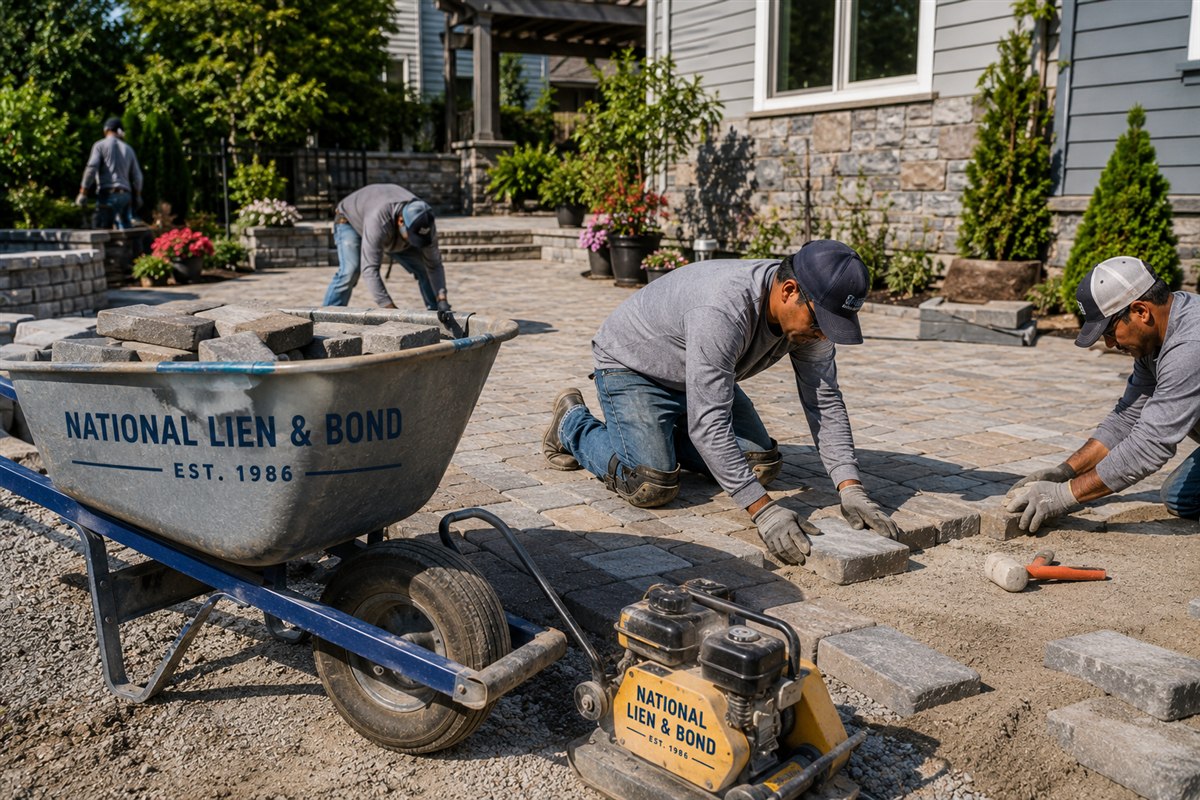
Mechanics Lien on Your Property: Owner Response Guide
A guide for unpaid contractors and suppliers on placing a lien to secure a debt. Covers mechanics liens, preliminary notices, notices of intent, filing with the county, and how judgment liens offer a second path to collect.
Read Article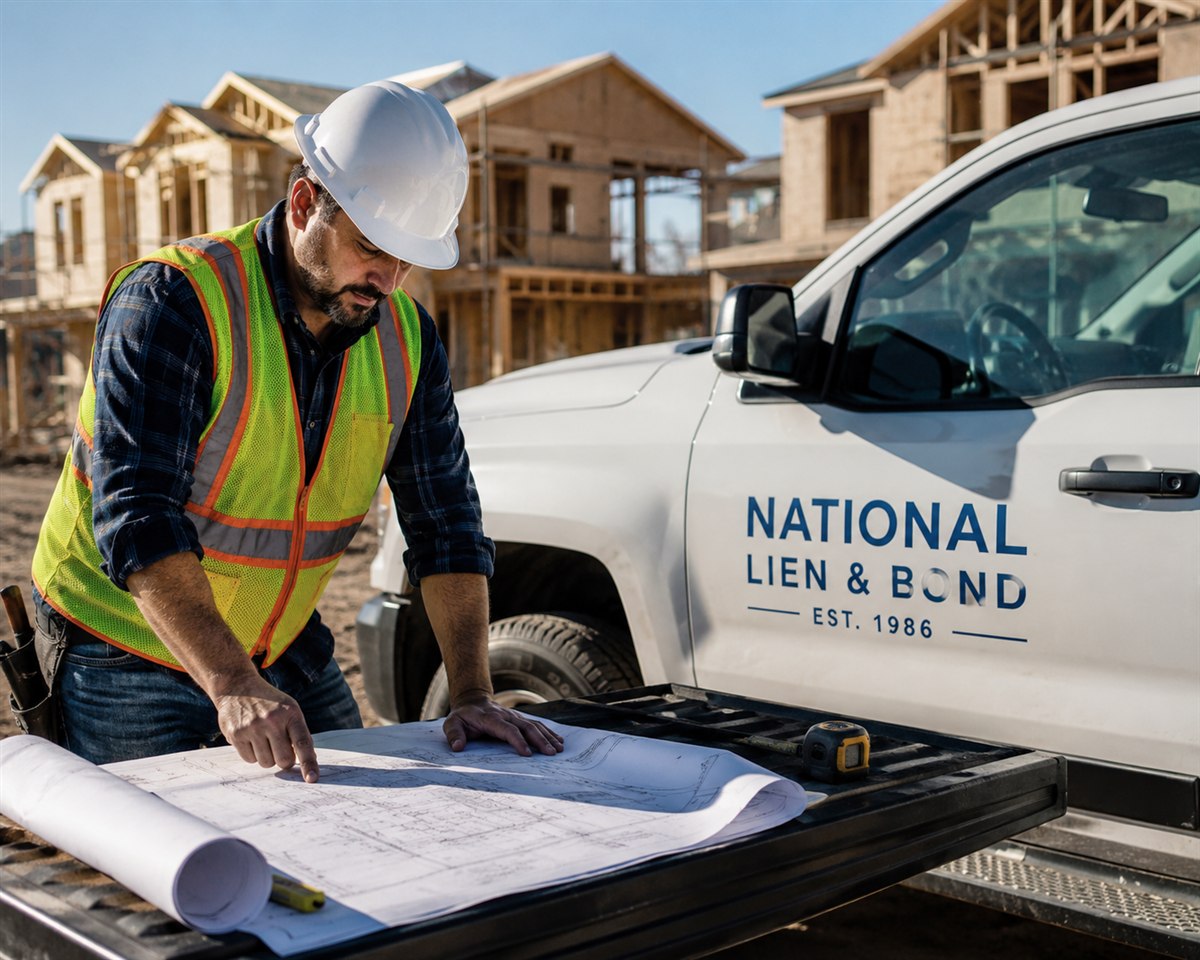
7 Things to Consider When Filing a Lien
Seven things to check before filing a lien in any state, including licensing, foreign corporation registration, notice and filing rules, indemnification clauses, prompt payment laws, required lien details, and tracking the deadline to follow up.
Read ArticleGetting Paid for Underground Utility Work
Underground utility work is part of the project it serves, so it is usually lienable even when the trench runs past the property line. Covers what to settle before the work starts: the state, your tier, the owner, and the type of work.
Read Article