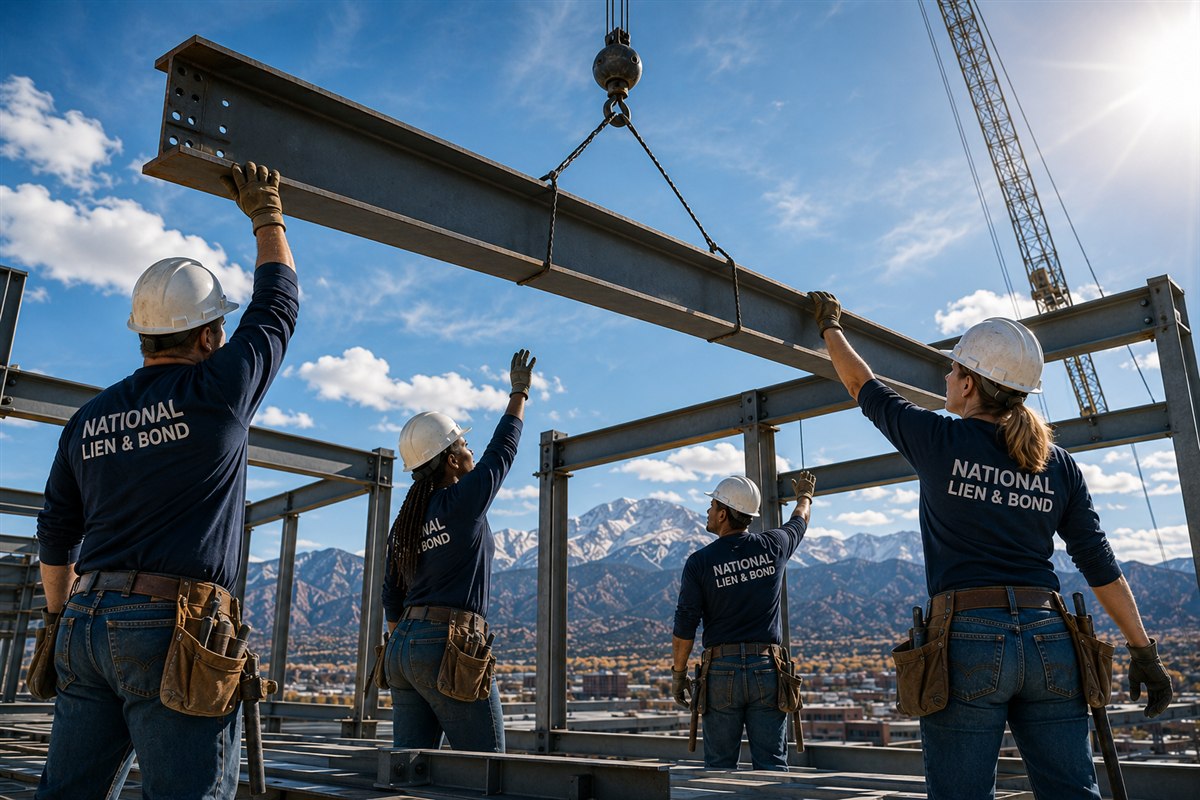
What is a Joint Check Agreement?
If you work in construction, your goal is to be paid as quickly as possible for work performed. This is complicated enough if you're the general contractor, but can be even more frustrating when you're a material supplier to a subcontractor. Payment comes from the property owner to the general contractor and so on and you're waiting patiently for income to trickle down to you, effectively providing credit to the contractor while you wait to be paid.
One common mechanism the industry uses to help address this issue is a joint check agreement, which is essentially a contract where one party is given permission to pay two or more parties at the same time. While these kinds of contracts are not exclusive to the construction industry, they are common due to the nature of the industry where one party hires another which hires another and so forth.
How Joint Check Agreements Work
A joint check agreement is entered into when multiple parties are working on the same project. In general, these agreements are between the general contractor, his subcontractors, and any further subcontractors or material suppliers. The goal is to make sure everyone gets paid in a timely fashion.
For example, let's look at a situation where the general contractor pays the subcontractor who in turn pays the materials supplier. In this situation, while in theory everyone is eventually paid, the materials supplier has to wait to get paid by the subcontractor once he's been paid.
To speed this up and ensure payment goes all the way down the chain, the parties enter into a joint check agreement. All parties to the agreement state that any payments made by the general contractor to the subcontractor for the cost of the suppliers material, shall also be written to the supplier. Thus, the supplier or lowest level contractor is protected against the possibility of the mid-level contractor receiving payment and not paying it on to them. This also protects the general contractor, who could be open to a bond claim if payment is not received on certain types of projects or the property owner who would otherwise be open to a mechanics lien filed by the materials supplier.
Waiting on money for a job?
Tell us what happened and National Lien & Bond will connect you with an attorney in your state. Free consultation, no obligation.
How to Enter Into a Joint Check Agreement
Since a joint check agreement is a contract between multiple parties, there are no statutes or regulations covering the specifics. This also means that there are standards when it comes to the details of joint check agreements, and like all contracts they must be written, agreed to by all parties, and involve some sort of exchange, generally work or supplies in exchange for payment.
Joint check agreements are often used in the construction industry to help material suppliers get paid and for GCs to manage potential lien claims.
A general contractor, subcontractor and material supplier will enter into a "joint-check agreement" that requires the general contractor to issue a check payable jointly to the subcontractor and the material supplier. The general contractor and the subcontractor do this expecting the joint check ensure that the material supplier gets paid because the joint check must be endorsed by both parties. A joint check is insufficient, by itself, to establish a constructive trust in favor of the subcontractor.
Reliance. The primary examples when courts have found that the proceeds of a joint check are not part of the bankruptcy estate is where the material supplier "relied" on the joint-check agreement. This reliance binds the GC to pay as they induced you to change your position as you relied upon their promise to pay and in doing so you delivered products or services to the project. For example a window manufacturer would not even draft shop drawings until the agreement was signed.
The "reliance" is based upon the law of promissory estoppel and courts will enforce joint check agreements they perceive to be equitable. See In re Temp-Way Corp., 80 B.R. 699 (Bankr. E.D. Pa. 1987) that held the supplier held equitable title to the proceeds ahead of its customer's legal tile. This line of cases results in getting you paid.The joint check agreement is a good way to secure the work you'll be performing. It's important to pay attention that the joint check agreement is signed before you start work, otherwise an agreement signed after you performed lacks evidence you relied on the promises.
Waiting on money for a job?
Tell us what happened and National Lien & Bond will connect you with an attorney in your state. Free consultation, no obligation.
Related Articles
Joint Check Agreements: How They Protect You
A joint check agreement requires multiple parties to sign a payment check before it can be deposited, helping protect subcontractors and suppliers. The level of protection depends on the wording, especially pay-if-paid versus pay-when-paid clauses.
Read Article
The Negotiation Equation - Your Key to Payment
Emalfarb Law's Negotiation Equation reduces payment leverage to a simple formula: Transaction plus Power equals Payment. This post explains each variable and how a strong contract combined with preserved legal rights puts you in a better position to collect.
Read Article
How to File a Mechanics Lien in Texas (2026)
Texas runs subcontractors on two clocks: a monthly notice of claim and a lien affidavit, each keyed to the month you last worked. Miss either and the lien is gone. Here are the current deadlines, what the affidavit has to say, where it gets filed, and how residential projects tighten every date.
Read Article