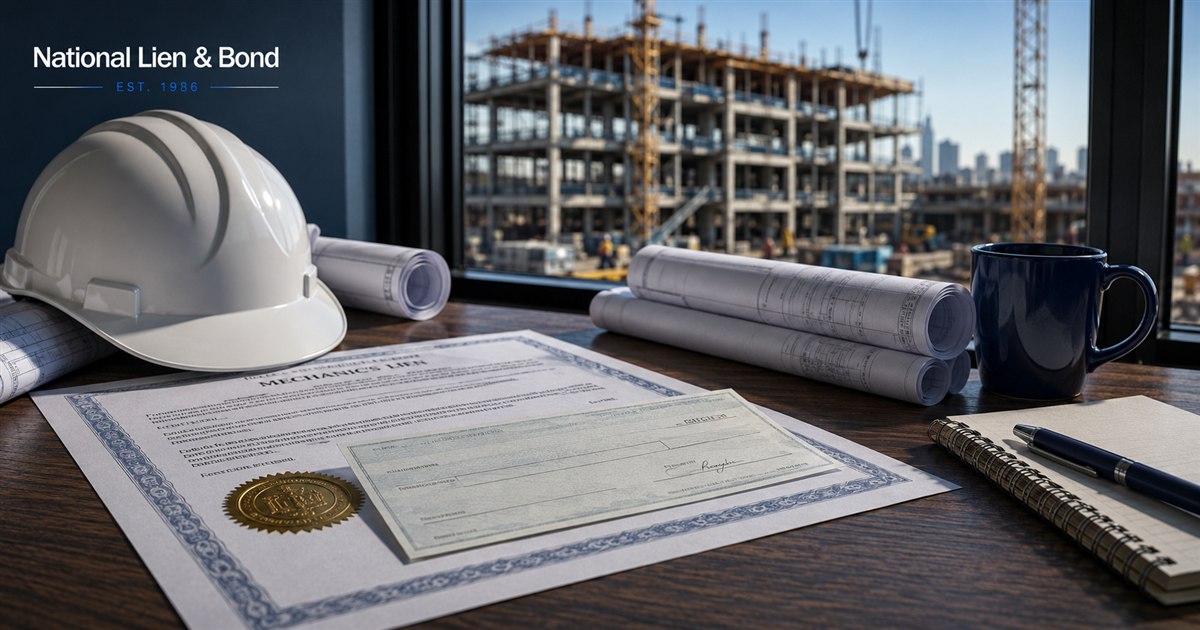
10 Ways a Mechanics Lien Gets You Paid
The intimidating part of working on a construction project is getting paid. No matter how careful contractors are, there comes a time when they do not get paid for their work. In many cases, mechanics lien law is there to help. The mechanics lien is a unique and powerful legal remedy that secures payment for subcontractors, contractors, and suppliers. When properly followed, a mechanics lien helps ensure payment for the work or materials provided by the claimant. Here are ten ways a mechanics lien gets you paid.
1. A Mechanics Lien Restrains the Property
A mechanics lien that is properly perfected makes it difficult for anyone to buy or lease the property cleanly. The lien appears when a title search is conducted, and anyone who purchases the property takes it subject to the claim. In practice, the property is unlikely to change hands until the claim is resolved.
2. A Mechanics Lien Gives You a Legal Claim on the Property
When a property owner is unable to pay the debts owed, the mechanics lien gives you a secured claim against the property itself. You gain the right to enforce against the collateral property to satisfy your claim.
3. A Mechanics Lien Gets the Attention of Owners and Lenders
Many projects are financed by lenders such as banks, and those lenders usually hold security on their loans. When a mechanics lien is filed, the lender's mortgage position is implicated, and the bank often has to step in. That puts both the owner and the lender on notice, which is one of the most effective ways a lien gets you paid.
Waiting on money for a job?
Tell us what happened and National Lien & Bond will connect you with an attorney in your state. Free consultation, no obligation.
4. A Mechanics Lien Sets Strict Deadlines
Mechanics lien statutes impose deadlines that are strictly enforced. The property owner faces a defined window in which to resolve the claim, and extensions are rarely permitted. Those strict deadlines push claims toward timely payment.
5. More Parties Are Brought In
When a mechanics lien is filed, more parties are drawn into the dispute. In many cases you can pursue the general contractor, the owner, and other interested parties together, which means more parties are legally pressed to satisfy your claim. Sometimes the parties resolve it with a joint payment.
6. A Mechanics Lien Is Difficult to Challenge
A properly prepared mechanics lien is hard to dispute. Once the lien is filed, it is difficult for the property owner to ignore or defeat the claim. If the contractor performed as agreed, the owner is often left with little choice but to pay.
7. A Mechanics Lien Can Survive Bankruptcy
Mechanics liens are among the strongest tools available to protect against non-payment caused by bankruptcy. If the project began before the bankruptcy was filed, the Bankruptcy Code generally allows a mechanics lien to be perfected after filing and during the automatic stay. That makes the lien a valuable remedy even in a bankruptcy situation.
8. The Flow of Money to the Project Is Stopped
A mechanics lien gets the attention of everyone working on the project and can freeze the flow of money to it. Payments up and down the chain can stall until the dispute is resolved, which creates pressure to pay.
9. Property Owners Try to Avoid a Mechanics Lien
Once you file, you may be entitled to recover filing costs, attorney fees, collection costs, and other charges. Because a lien can become expensive for the owner to fight, many owners would rather pay for the work than risk those added costs.
10. A Mechanics Lien Affects the Owner's Relationships
There is usually a working relationship among owners, contractors, suppliers, and lenders. A recorded mechanics lien disrupts those relationships and exposes the parties to one another. Because those relationships matter, the pressure to settle the claim quickly increases.
A mechanics lien works only when it is filed correctly and on time, and the rules vary from state to state. If you are facing non-payment on a project, contact us to make sure your lien rights are protected.
Waiting on money for a job?
Tell us what happened and National Lien & Bond will connect you with an attorney in your state. Free consultation, no obligation.
Related Articles
Do Mechanics Lien Provide Bankruptcy Protection?
Mechanics liens stay enforceable in Chapter 7 and 11 and can prime the GC, owner, and lender. How the automatic stay and a secured proof of claim work. This post explains the automatic stay, when to file a notice with the bankruptcy court, and how a secured lien ranks for payment.
Read Article
How to Run a Successful Collection Call
Practical tips for making a collection call on an overdue construction invoice: prepare and practice, stay professional, build rapport, find out why payment is late, and secure a specific commitment while watching your lien deadline.
Read Article
Webinar: Protect what you are owed in turbulent times
A webinar on protecting construction and mechanic's lien rights during the pandemic, covering how to verify lien rights, get paid on every job, and adapt to new trends in construction law.
Read Article