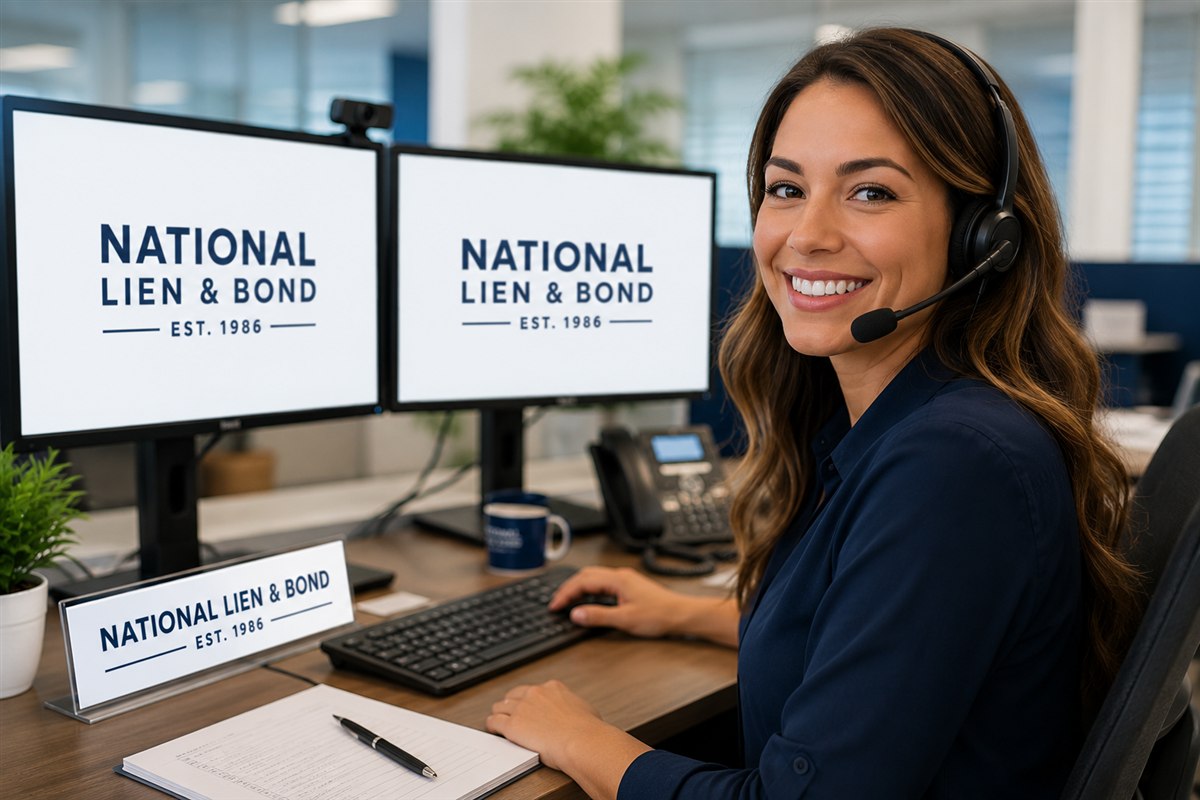
How to Run a Successful Collection Call
A Collection call is not something anyone enjoys doing, but it's a critical first step to take when an invoice isn't paid on time. Making a timely call to a customer and being polite and professional while reminding them of the unpaid invoice will increase your collections and avoid the process of filing a mechanics lien.
Practice Your Calls
Before you begin making your collections calls, start by preparing. You're more likely to make the call a productive and successful engagement with a little practice. Run through what you want to say before picking up the phone. It might help to write it down so you have a mini-script for the beginning of the call and know what points you want to hit. Practice saying it out loud or even better, role-play with someone on your team.
It may help to research different collections scripts online and find one that sounds reasonable to you. Try to focus on finding out why they haven't paid and what their plans are rather than being brusque and demanding payment immediately. Run through different simulations with different potential reactions so you've practiced each one. You can't predict exactly how someone will react, but being prepared for the reactions you're most concerned about will help you go into the call with confidence.
Waiting on money for a job?
Tell us what happened and National Lien & Bond will connect you with an attorney in your state. Free consultation, no obligation.
Keep Your Calls Professional
Start your call with small-talk, an important element in building and strengthening a personal connection with your customer. Finding and building on mutual interests starts the discussion on a positive note and reminds them that you're a person, too.
Once you've finished building the connection, simply inform them that you've noticed they have a payment that's overdue and ask them what's going on. They may tell you they just put the check in the mail or that there's a payment issue further up the contracting chain. Or they may apologize and promise to pay promptly. You can, at this point, gently remind them of your policies on late payments. Remember to keep the conversation pleasant and professional and not demanding or aggressive.
Once you've found out what happened, if possible, try to get your customer to promise payment or take payment over the phone. Your goal is to get a specific commitment on when you will be paid so that you know what your next steps are. Make sure the answer you get is clear and will result in a specific action.
Regardless of how your customer reacts to the call, remember that you're a professional and keep calm. Don't show any frustration and be willing to listen to their response. Instead of assuming the worst, find out why they missed the payment. Staying professional and being a good listener will help you keep the call focused on finding a productive solution to the problem.
During the call, try to get a feel on whether the customer is likely to put a check in the mail soon or whether you're going to need to start the mechanics lien process. Either way, don't forget your timeline, because you may need to file a lien, even with a well-meaning customer.
You may not be looking forward to making collections calls, but if you follow these tips, they're more likely to be pleasant professional conversations instead of high-emotion dramas. If you'd like help scripting your calls, or need to file a mechanics lien when calls repeatedly fail, reach out to the team at National Lien & Bond. We can help you handle difficult customers or complex situations while preserving your right to be paid for the work you've performed.
Waiting on money for a job?
Tell us what happened and National Lien & Bond will connect you with an attorney in your state. Free consultation, no obligation.
Related Articles
10 Ways a Mechanics Lien Gets You Paid
A mechanics lien is one of the most powerful payment-security tools available to contractors, subcontractors, and suppliers. Here are ten ways a properly perfected lien pressures owners and lenders to pay.
Read Article
The Negotiation Equation - Your Key to Payment
Emalfarb Law's Negotiation Equation reduces payment leverage to a simple formula: Transaction plus Power equals Payment. This post explains each variable and how a strong contract combined with preserved legal rights puts you in a better position to collect.
Read Article
Your Contract - A Tool, Not a Headache
How subcontractors can use the contract stage to protect their payment rights. Bid realistically, negotiate clear terms for future claims, and stay on top of the paperwork so problems stay small.
Read Article