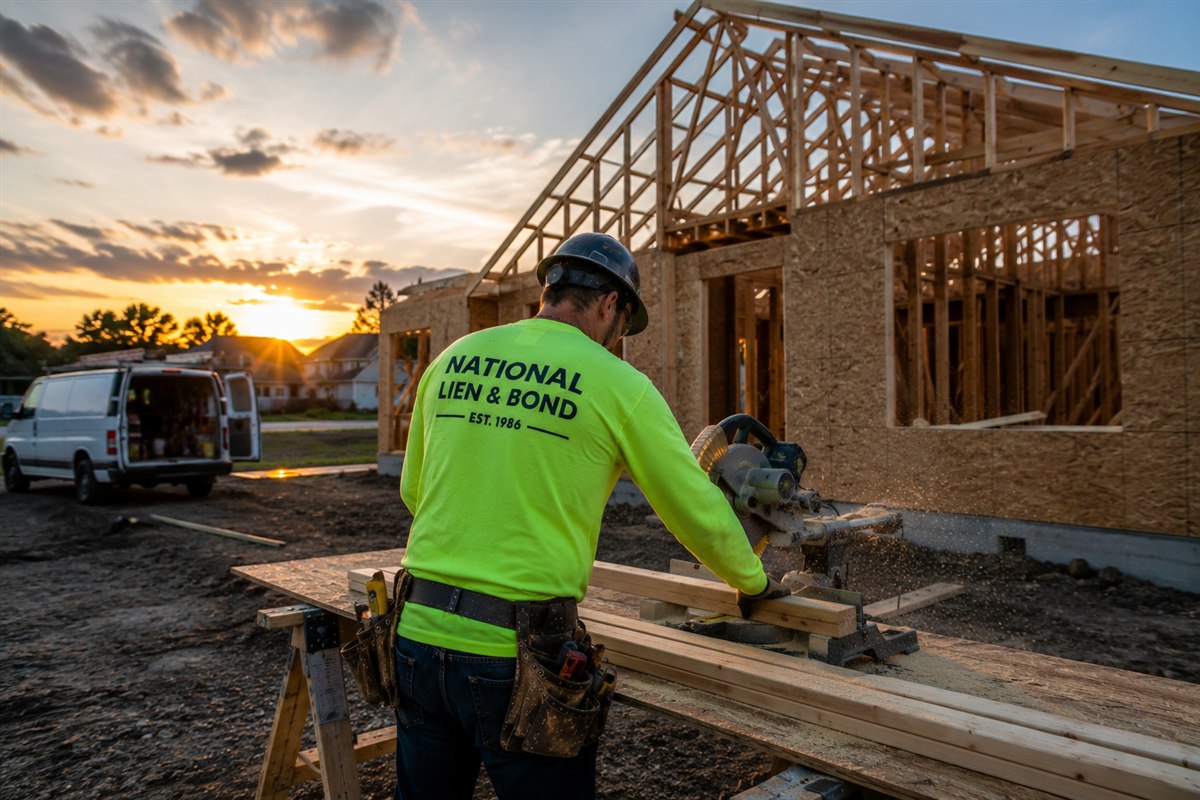
5 Main Problems in the Construction Industry in the USA
Construction is an industry where many businesses attain great wealth, but getting there can be difficult. Between tight margins and a fluctuating economy, construction professionals are having to deal with new and evolving problems to find success. Here are 5 main problems in the construction industry most professionals face against:
#1 - Operating Capital and Cash Flow
To operate any business, you need capital, especially for larger, profitable projects. This becomes difficult if there are problems in your cash flow or a critical client doesn't pay in a timely fashion. The best thing you can do is to create and then stay on top of a good business process that flows from collecting information on your job sheet before a project begins to sending out correct and timely invoices to following up on invoices regularly. Good cash flow makes it easier to have, or obtain, the operating capital you need.
#2 - Planning and Growth
Growing a business is a complex process where you have to balance your growth, abilities, and cash flow. Good planning makes it easier to grow without overextending yourself in any one direction. You should also review your plan regularly to make sure it's still feasible. If you're willing to make changes to adjust to reality, then you're more likely to succeed long term. Learn from your mistakes and keep moving forward.
Waiting on money for a job?
Tell us what happened and National Lien & Bond will connect you with an attorney in your state. Free consultation, no obligation.
Similarly, growing too quickly and taking on work too far outside of your comfort zone or ability to manage can also create problems for your business. If you're growing rapidly, take the time to set up good business processes, controls, contracts, and personnel. A little time invested now will make your growth much smoother.
#3 - Project Complexity
Opportunities to grow in the construction industry often come with being involved with larger and more complex projects and companies. With already thin profit margins, an unexpected hiccup someone else on the project can create a ripple effect for all companies contributing to the final effort. With projects not being completed on time and on budget, it hurts the companies that are contributing time and materials and waiting for their payments.
#4 - Finding Skilled Labor
While many people like to blame it on generational differences, the reality is that there is a shortage of skilled labor and a variety of view on work ethics, outlook, and behaviors. For construction businesses, finding and keeping the best workers who can handle the projects they're taking on, reliably show up and do a good job, and honor safety controls is a challenge. Just like any business, construction business owners have to manage their human resources and learn what each generation needs to feel successful and happy in their workplace. Companies have taken steps that include increasing pay and benefits and investing in training, but this is an ongoing problem across the industry.
#5 - Focus on Sustainability
Consumers are becoming more aware of the importance of having environmentally conscious homes and using materials that are sustainable. As such, construction professionals are faced with pressure to cut carbon emissions, reduce water consumption, and reduce waste. As this trend continues to grow, design, project management, and business processes will change to accommodate this new focus.
Waiting on money for a job?
Tell us what happened and National Lien & Bond will connect you with an attorney in your state. Free consultation, no obligation.
Related Articles
Factoring Companies and Construction Receivables
Factoring can even out cash flow, but it rarely removes your collection risk, and factors secure their advances with a UCC filing against your invoices. This guide explains how factoring works and why you still need to protect your lien and bond rights.
Read Article
Subcontractors: Get Paid by the End of the Year
Year-end tips for subcontractors who want to collect outstanding invoices before the books close: send invoices out early, automate invoicing and collections, and implement a late payment fee policy heading into the new year.
Read Article
Does the Prompt Payment Act Get You Paid Faster?
Prompt payment acts require payment down the contracting chain within set time frames, often 7 to 14 days after the level above is paid. This overview explains how the acts work and the penalties that apply when payment is late.
Read Article