Avoiding Construction Litigation
It might seem odd to find advice for avoiding litigation on the website of a company built around enforcing payment rights, but at National Lien & Bond we think a little differently. Our focus is on helping our construction clients avoid litigation in the first place, and we pride ourselves on helping clients develop contract and project management strategies designed to keep them out of court and in the black.
The Challenges of Construction Litigation
One significant reason to avoid litigating your construction disputes is cost. Construction litigation is extremely time- and data-intensive. Electronic discovery is the norm in litigation, which means almost every single document and communication you've exchanged with your GC or owner in the course of your project will be disclosed to the other side. Construction claims also frequently result in counterclaims, expanding the scope of the case. The entire process is invasive and expensive. It will absorb significant chunks of your time or the time of some of your key employees, taking focus away from existing projects.
Waiting on money for a job?
Tell us what happened and National Lien & Bond will connect you with an attorney in your state. Free consultation, no obligation.
Relationships Matter
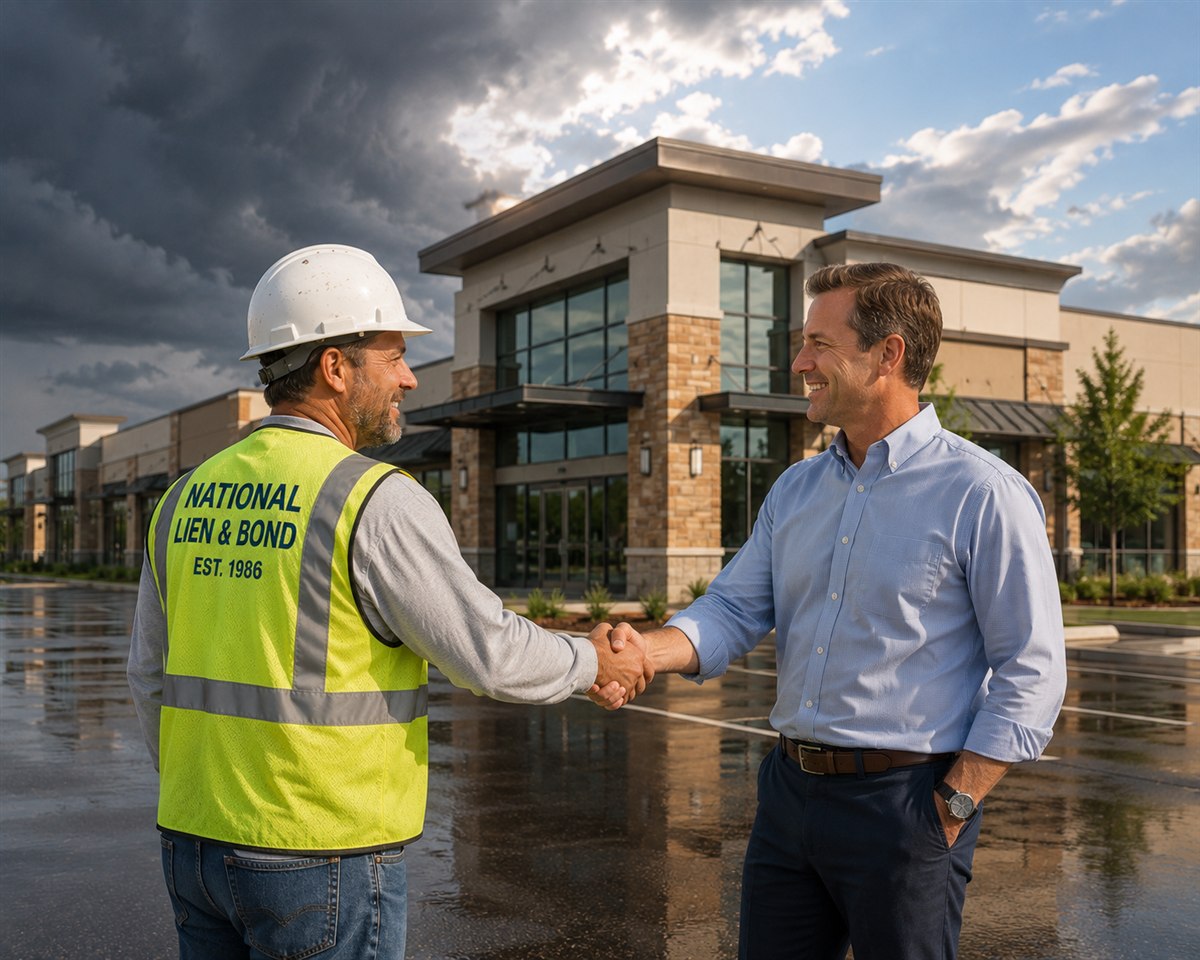
In our experience, building a good relationship with your GC or owner can make a tremendous difference when problems arise during the course of a project. Parties who find they can trust and rely on each other to get the job done and be fair during the process are much less likely to end up on the opposite sides of a lawsuit than those who begin their business relationship in contention and argue throughout the course of the project.
This can even extend to situations where one party is in technical breach of the contract; often, when the goal is finishing the job and getting paid, parties who work well together will figure things out without running off to court. That's not to say that having a clear, strong contract doesn't help-it does, and can contribute to building a good relationship. When disputes arise, Emalfarb Law often encourages construction mediation and construction arbitration to resolve disputes without going to court.
Don't Let Your Guard Down
That's not to say you shouldn't protect yourself during the course of your project. When material changes in the scope of the project will cost you money, you need to make sure you're compensated accordingly. And if you're not paid on time, you should be aware of your rights and responsibilities with respect to filing mechanics liens.
How Emalfarb Law Can Help
At Emalfarb Law, we have decades of experience helping our clients build good relationships with their partners and resolve disputes, including construction liens, outside of the courts, often through mediation or arbitration. We can help you negotiate a strong and fair contract and protect your ability to get paid for the work that you do.
If you have questions about how Emalfarb Law can help your situation, send us an email or use our online reservation form to schedule a consultation. Be sure and check out our videos on construction litigation, too, including "How to Win a Construction Claim"
Waiting on money for a job?
Tell us what happened and National Lien & Bond will connect you with an attorney in your state. Free consultation, no obligation.
Related Articles
Resolving Construction Disputes with GCs
Compares the four main paths for resolving disputes between general contractors and subcontractors: negotiation, mediation, arbitration, and litigation, with contract review recommended as the first step.
Read Article
What Construction Contractors Can Do to Avoid Litigation
Most construction conflicts can be resolved without going to court. This guide covers how dispute resolution clauses, protected lien rights, requests for information, and proactive communication help contractors reduce the chance of litigation.
Read Article
The Importance of Dispute Resolution in Construction
Reviews the main construction dispute resolution methods: arbitration, litigation, and mediation. Explains contract terms to watch for, such as governing law, venue, and required in-person meetings before a formal claim.
Read Article