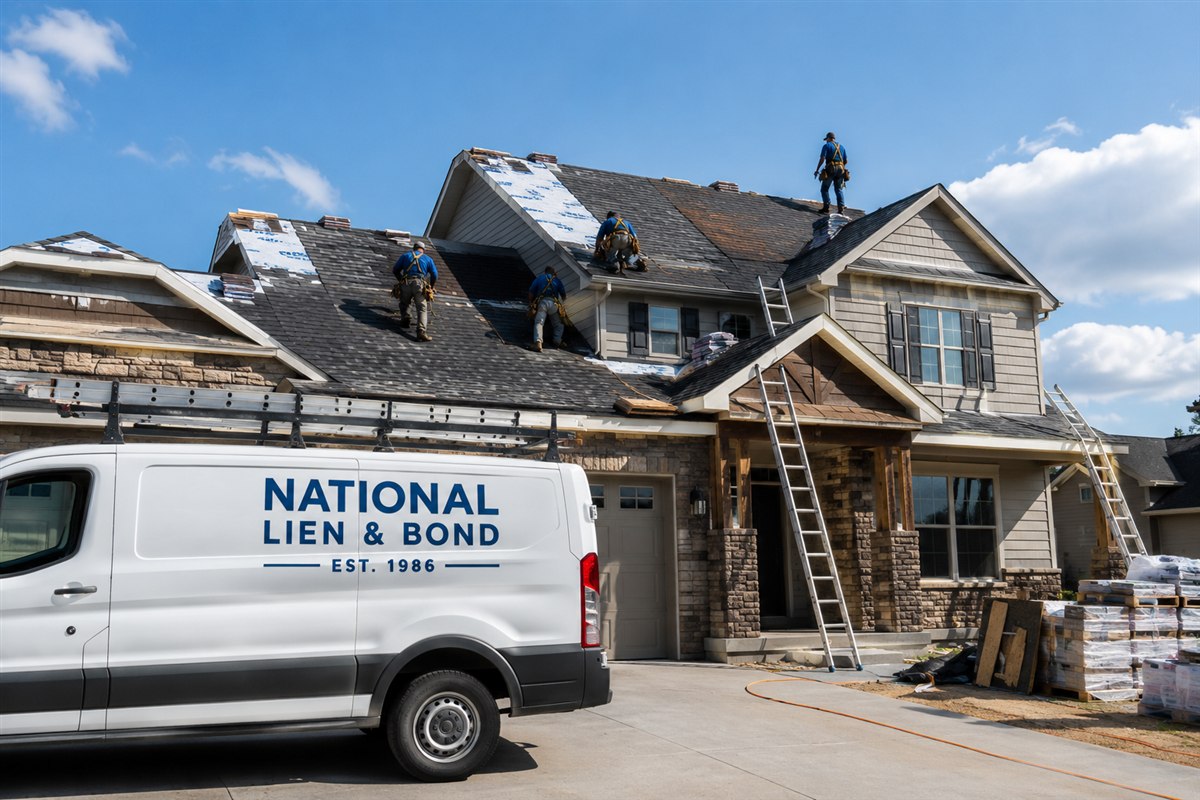
Disaster Recovery Updates: Florida, Texas, Puerto Rico
In the aftermath of hurricanes Harvey, Irma and Maria, areas in Texas, Florida, and all of Puerto Rico are left rebuilding critical infrastructure, businesses, and homes. This means that all types of construction projects abound. In many cases, work must be done on a rapid timeline to prevent further damage. We will discuss relevant disaster recovery updates for construction firms currently involved in rebuilding projects, and general key guidelines for success in disaster recovery projects.
Key Challenges
For government projects, this may mean work starts before a bond is secured. On private projects, the business owner or homeowner will likely quickly engage a construction firm to repair the damage, but getting paid by their insurance company or through FEMA is a much less timely process.
With insurance claims and adjusters involved, the payment process is likely to be much longer than with new construction. Often, a claims adjuster must visit the site before the insurance company will pay for any work beyond taking steps to stop damage in a timely fashion. Meanwhile, FEMA HMGP grants and government funds can take even longer to be approved and disburse. Providers of labor and supplies are left in limbo, waiting, along with property owners, on the funds to materialize.
So what should all construction professionals involved in disaster reconstruction keep in mind as they navigate these challenges? Here are our top suggestions.
Waiting on money for a job?
Tell us what happened and National Lien & Bond will connect you with an attorney in your state. Free consultation, no obligation.
Filing Preliminary Notice
Construction businesses working in these areas will want to ensure they are on top of the local laws regarding payment and lien filings. If preliminary notice is required, which it is in some cases in both Texas and Florida, you'll want to ensure a copy goes to the mortgage holder as well as the property owner. Further, you'll want to move ahead with the mechanics lien as you await insurance payment, while being friendly and professional about the process, to protect your right to be paid for work performed.
In Texas, for subcontractors and suppliers, preliminary notice must be filed by the 15th day of the 2nd month (3rd month for non-residential projects) following the month when the work was done and unpaid. In Florida, meanwhile, a notice to owner must be sent by subcontractors and suppliers within 45 days of first commencing work. In the case of a natural disaster, this brings up a timeline issue. Work may have been commenced quickly in an effort to stop flooding or other damage and then sit for a long period waiting on an insurance adjuster before re-commencing.
Construction First Responders
In each area where natural disaster strikes, some first responders are doing work which falls under the the local construction laws. This means that business are working quickly to respond to damage without going through the normal process of securing a bond or otherwise planning to secure payment. Business who do this work are providing a much needed service to the community, but they also want to ensure they're paid for their efforts.
"The pitfalls of making a claim in Texas include the fact that there may be no bond, even for public work," shared National Lien & Bond's Texas counsel. For disaster relief projects, "there needs to be a close relationship with the insurance company where the claim by the owner has been made."
Even in cases where the work begins before payment is secured, it is key to have a clear and unambiguous contract in place before beginning work. Try to arrange for a joint check agreement as quickly as possible. Additionally, maintain meticulous labor and material logs for all work, starting from the first day.
All construction professionals should remember, especially when dealing with the aftermath of a disaster, that success is all about relationships. When dealing with the mire of insurance, government, frustrated owners, and community, work hard to remain professional. The owner is just as frustrated as you are about the slow payments while the insurance company is working hard to process every claim efficiently and correctly. Patience and positive professionalism are the best ways to handle the situation.
If you'd like experienced counsel by your side to make sure you're preserving your rights to be paid or help you handle the maze of insurance and FEMA approval applications, reach out to the team at National Lien & Bond. With experience across state lines and handling insurance, we can help you maintain your rights, keep your relationships positive, and get paid as quickly as possible.
Waiting on money for a job?
Tell us what happened and National Lien & Bond will connect you with an attorney in your state. Free consultation, no obligation.
Related Articles
How to File a Mechanics Lien Preliminary Notice in Florida
A step-by-step walkthrough for subcontractors and suppliers on preparing and serving a Notice to Owner in Florida, covering document format, required details, certified-mail service, the 45-day timeline, and who is qualified to file.
Read Article
How to File a Mechanics Lien in Texas (2026)
Texas runs subcontractors on two clocks: a monthly notice of claim and a lien affidavit, each keyed to the month you last worked. Miss either and the lien is gone. Here are the current deadlines, what the affidavit has to say, where it gets filed, and how residential projects tighten every date.
Read ArticleGetting Paid for Underground Utility Work
Underground utility work is part of the project it serves, so it is usually lienable even when the trench runs past the property line. Covers what to settle before the work starts: the state, your tier, the owner, and the type of work.
Read Article