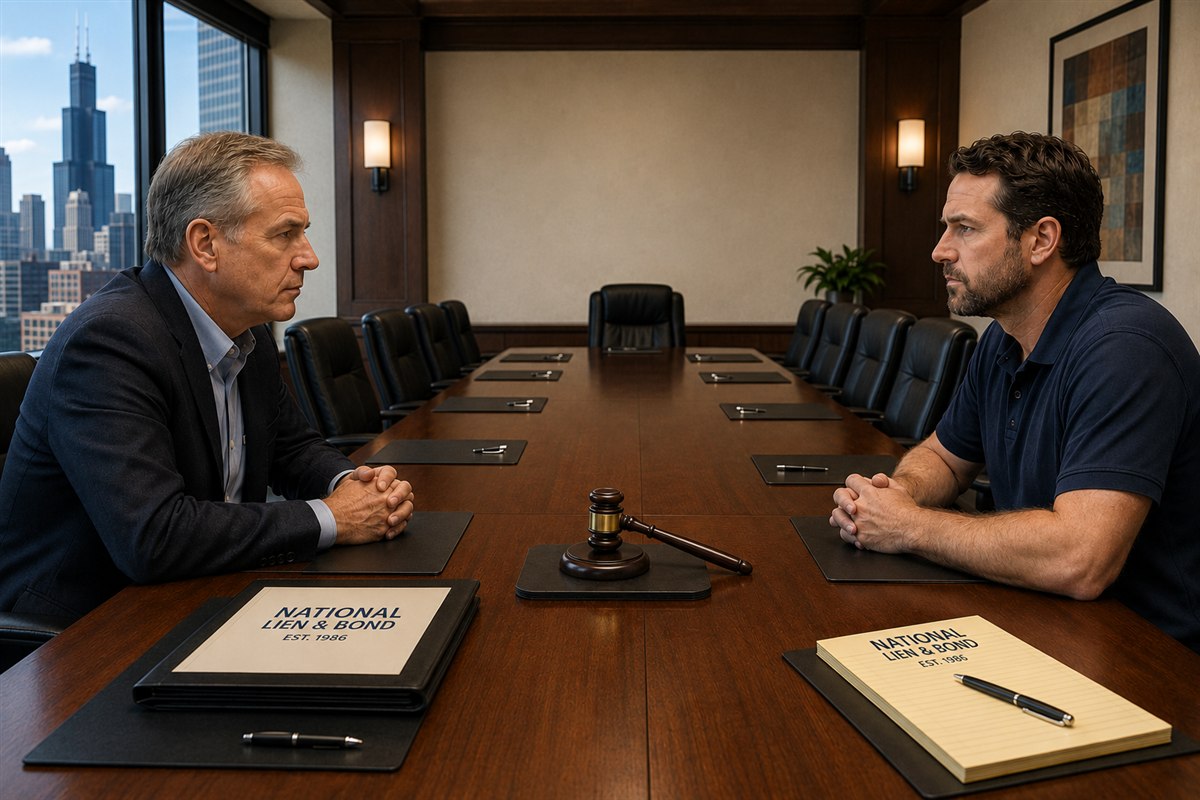
Taking a Project Owner to Arbitration
Many businesses, including those in the construction industry, are using alternative dispute resolution (ADR) practices such as mediation and arbitration to avoid taking disputes to court. While it's increasingly common to see ADR procedures written into contracts, it's important for business owners to understand what it means to take a project owner or subcontractor to arbitration instead of court.
Benefits of Arbitration
There are numerous benefits to using arbitration for dispute resolution and, for some businesses, these benefits make arbitration the obvious choice. Typically, disputes can reach a resolution faster when submitted to arbitration instead of the court process, which in some cases can save money and legal fees. Further, when you contract to do arbitration, you can specify how the arbitrator is chosen to ensure you get someone listening to the dispute you believe is impartial and who is an expert on the type of issues you're facing.
Another benefit of arbitration is privacy. While court proceedings are public unless specifically sealed, arbitration can be conducted in complete privacy. This is useful when the dispute involves company secrets, plans, formulas, and other information they don't want disclosed to the general public. Evidence rules used in the arbitration process tend to be looser, making it easier to get relevant information in front of the decision maker.
With these benefits, even when arbitration is not specified in the contracts, many lawyers advise clients to try and resolve certain cases using arbitration, particularly those that need privacy, need a quick resolution, or where the case matter would be too complicated for a lay jury. Arbitration can be either binding or non-binding and, in some cases, can be a great first step to be followed by trial.
Waiting on money for a job?
Tell us what happened and National Lien & Bond will connect you with an attorney in your state. Free consultation, no obligation.
Disadvantages of Arbitration
Of course, there are some disadvantages of choosing arbitration to resolve conflicts your construction business faces, particularly if you choose binding arbitration. When you submit your dispute to a binding process, you lose your ability to appeal the decision of the arbitrator if you think he ruled incorrectly. The looser rules of evidence can also work to your disadvantage and let information into consideration that should perhaps be left out.
While generally less expensive than a jury trial, there are still costs associated with taking a case to arbitration that could be saved by negotiating a fair resolution. Arbitration also means the matter is decided by one person, or a panel of experts, but isn't submitted to the jury process where other local citizens get the right to decide the outcome of the dispute.
What Should You Choose?
If you're facing a significant disagreement with a project owner, or considering the possibility and trying to decide whether to put arbitration into your construction contract, consider talking to an experienced construction attorney first. Contract review by an experienced professional should always be the first step before even considering arbitration. Since some disputes are good for arbitration while others aren't, they'll want to consider the specific scenario before recommending whether arbitration is the right choice for your business.
The team at National Lien & Bond has over 30 years of experience working with construction professionals and handling dispute resolution. We like to meet with new clients and conduct lien seminars to educate them on the various aspects of the lien process, including what should go into your initial contracts. We can also discuss whether arbitration is the right fit for your business.
Waiting on money for a job?
Tell us what happened and National Lien & Bond will connect you with an attorney in your state. Free consultation, no obligation.
Related Articles

Avoiding Construction Litigation
Why a construction firm should aim to avoid litigation given its cost and intrusiveness, and how strong relationships, clear contracts, mediation, and arbitration can resolve disputes while still protecting payment rights.
Read Article
Resolving Construction Disputes with GCs
Compares the four main paths for resolving disputes between general contractors and subcontractors: negotiation, mediation, arbitration, and litigation, with contract review recommended as the first step.
Read Article
Construction Mediation and Arbitration Explained
Explains the two main forms of alternative dispute resolution in construction. Mediation is a non-binding facilitated discussion, while arbitration produces a binding, enforceable ruling. Both are often selected in the construction contract.
Read Article