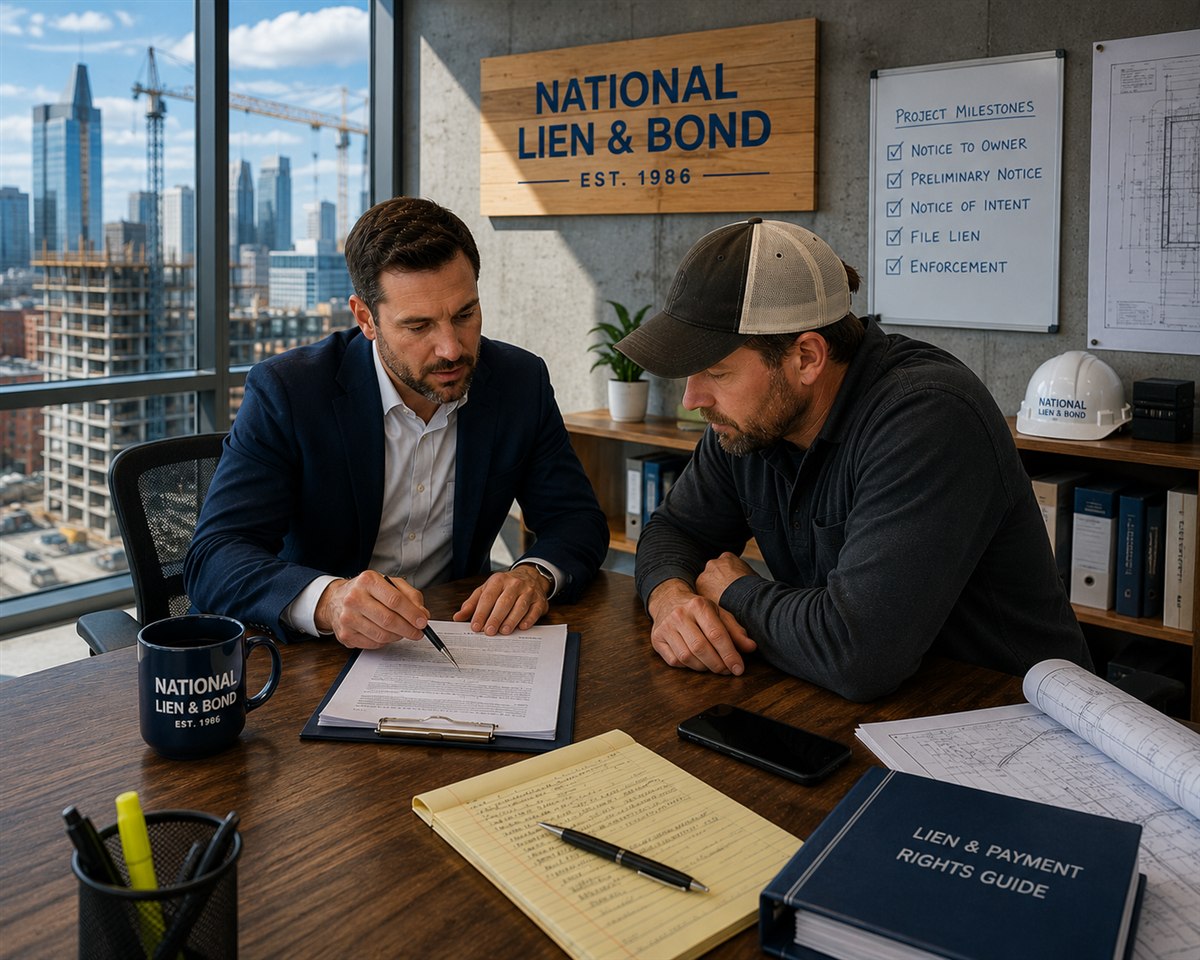
Using a Lien Compliance Program to Get Paid
As a subcontractor or supplier on a construction project, you put yourself at risk every time you do work or supply materials before getting paid; which is essentially every time you're involved in a project. You've probably experienced the nervousness that comes with waiting to see if you'll be paid on time, or maybe a bit late, or maybe very late, or possibly never. Fortunately, there are strategies you can use to significantly improve your chances of getting paid. They take a bit of work and some diligence, but the added security you'll get will more than make up for it.
A Compliance Program Is Your Friend
A compliance program is our name for a system of keeping track of what you need to do to protect your payment rights for every job you are working on. The goal of using one is to make sure you always preserve your ability to assert a payment claim, whether by filing a lawsuit, a mechanics lien, or sometimes both. It's the key to making sure you take the steps you need to take to put yourself into the position of a secured creditor.
In some cases, you may need to serve a notice on the owner or GC that lets them know you're working on the project within a certain period of time after beginning work, even before you might have a non-payment claim. In other cases, you may be able to wait until after your work is done to notify the owner about any payment problems. Sometimes you may have to file a mechanic's lien against the property in order to secure your rights, while in other cases the path to getting paid might require a lawsuit.
A compliance program will use the information about the job you're working on to help you make sure you take the proper steps to secure your payment rights at the appropriate time and in the proper way. It takes into account the state the job is in, because the requirements for securing your payment rights vary from one state to another. It also considers who the owner is; if it's the federal or state government, you will have different requirements and remedies than you will if it's a privately-owned job. If the project has a payment bond, your pathway to getting paid may be different than if it doesn't.
Waiting on money for a job?
Tell us what happened and National Lien & Bond will connect you with an attorney in your state. Free consultation, no obligation.
Diligence Is Key
Aside from having a compliance program in place, the most important thing you can do is to use it. Assign someone whose job it is to make sure that notices and other steps that need to happen are done in the proper way, within the deadlines set by statute. You don't want to find yourself assuming that you've secured your payment rights, only to learn too late that you missed a filing or a deadline.
Emalfarb Law Can Help You With Your Compliance Program
At Emalfarb Law, we have decades of experience helping thousands of clients collect billions of dollars in late payments from construction projects in every state in the US (and DC). We have a network of experienced attorneys in every state who understand that state's mechanics lien laws, and who help our clients get paid. Let us use our experience to help you set up and begin using your compliance program. You'll sleep better knowing that you've taken the steps necessary to secure the payments you've worked so hard to earn.
For more on lien compliance programs, watch our video presentation, "Learn How to Perfect Your Construction Lien and Get Paid on Every Project."
Want to learn more about how Emalfarb Law can help you? Use our online reservation form to set up a confidential consultation. Find out why thousands of subcontractors and suppliers all over the country trust Emalfarb Law to help them get paid.
Waiting on money for a job?
Tell us what happened and National Lien & Bond will connect you with an attorney in your state. Free consultation, no obligation.
Related Articles
Notice of Intent to Lien: What Property Owners Receive
The Notice of Intent to Lien differs from a preliminary notice in timing and force. This article explains how the preliminary notice keeps owners and contractors informed early, while the Notice of Intent acts as a demand that can trigger enforceable lien rights against third parties.
Read Article
Filing a Lien After Bankruptcy: Supplier Remedies
When a property owner files for bankruptcy, a supplier or subcontractor can still file a mechanics lien and recover. This post covers the secured-debt position, the automatic stay, and the steps to protect lien rights.
Read Article
Mechanics Liens and Standard Terms for Subs and Suppliers
Argues that a well-drafted contract with favorable standard terms and conditions, combined with timely compliance with state mechanics lien law, gives subs and suppliers leverage to secure payment on a defaulting project.
Read Article