
What Is a Stop Notice and When Does It Work?
You've learned the power of filing liens against an owner's property to protect your right to be paid on construction jobs. There is, however, another action you can perform in a few states that also will help get you the money you've earned but haven't been paid. It is called a Stop Notice. It's important to know the differences between a lien and a stop notice so you know when to use them effectively.
Assert Your Right to Be Paid
A stop notice is sent to the owner to assert your right for the amount yet to be paid out on the project. It lets the owner know you are owed money by the general contractor or a lower tier subcontractor. The effect is the owner must "stop" payment in the amount of your claim until the claim is resolved. If your stop notice freezes a portion of construction funds meant to pay other contractors and suppliers, it disrupts the project funding. This disruption of project payments is designed to be the incentive for the owner and other contractors to step in and resolve the non-payment issue.
Waiting on money for a job?
Tell us what happened and National Lien & Bond will connect you with an attorney in your state. Free consultation, no obligation.
How is it Different Than a Lien?
Unlike a lien, a stop notice only freezes money not yet paid by the owner on the construction project. Also, unlike liens, the stop notice does not need to be filed in the clerk's records. One of the disadvantages of a stop notice is that it does not attach to the owner's property as a lien does. A lien on property becomes public record and ties up title to the property until the lien claim is paid. This limits the owner's ability to sell the property and creates the potential the lien holder can force a sale of the property to pay the lien debt. This creates a bigger incentive for the owner to resolve the non-payment issue then freezing a portion of the construction funding. Also, it only applies to money the owner has not yet paid on the project. If you send a stop notice to the owner and all money has been paid, it will have zero effect.
When Is the Stop Notice Most Effective?
A stop notice is most effective when you are unable to file a lien for some reason and are working in a state that allows stop notices. It is also beneficial if you send it to the owner in addition to filing a lien. This effects both the funding and the property for the construction which increases the incentive for the owner to force your right to be paid.
In Which States Does a Stop Notice Apply?
Filing in a state that doesn't have stop notice laws has no effect and a waste of time. As of the writing of this article, the only states that allow stop notices are Alaska, Arizona, California, and Washington. Each of these states has specific requirements for a stop notice to be effective. You should consult with a professional to learn what these requirements are before sending the notice.
State laws are always changing so if you are not in one of the four states listed above and you are in a position where a stop notice would be beneficial, you may want to consult with a lien attorney to see if laws have changed where you. You should be wary of services which offer to send a notice for you in any state other than these. While they will perform the service, it will be a waste of time and money because it will have not benefit you in being paid. Always consult with a reputable construction notice provider or construction attorney before sending to the owner.
Waiting on money for a job?
Tell us what happened and National Lien & Bond will connect you with an attorney in your state. Free consultation, no obligation.
Related Articles

How to Win a Construction Claim
Strategies subcontractors and suppliers can use to get paid without litigation, including documenting plan changes, maintaining good relationships with the GC and owner, watching for pay-if-paid and other contract traps, and understanding mechanics lien laws.
Read Article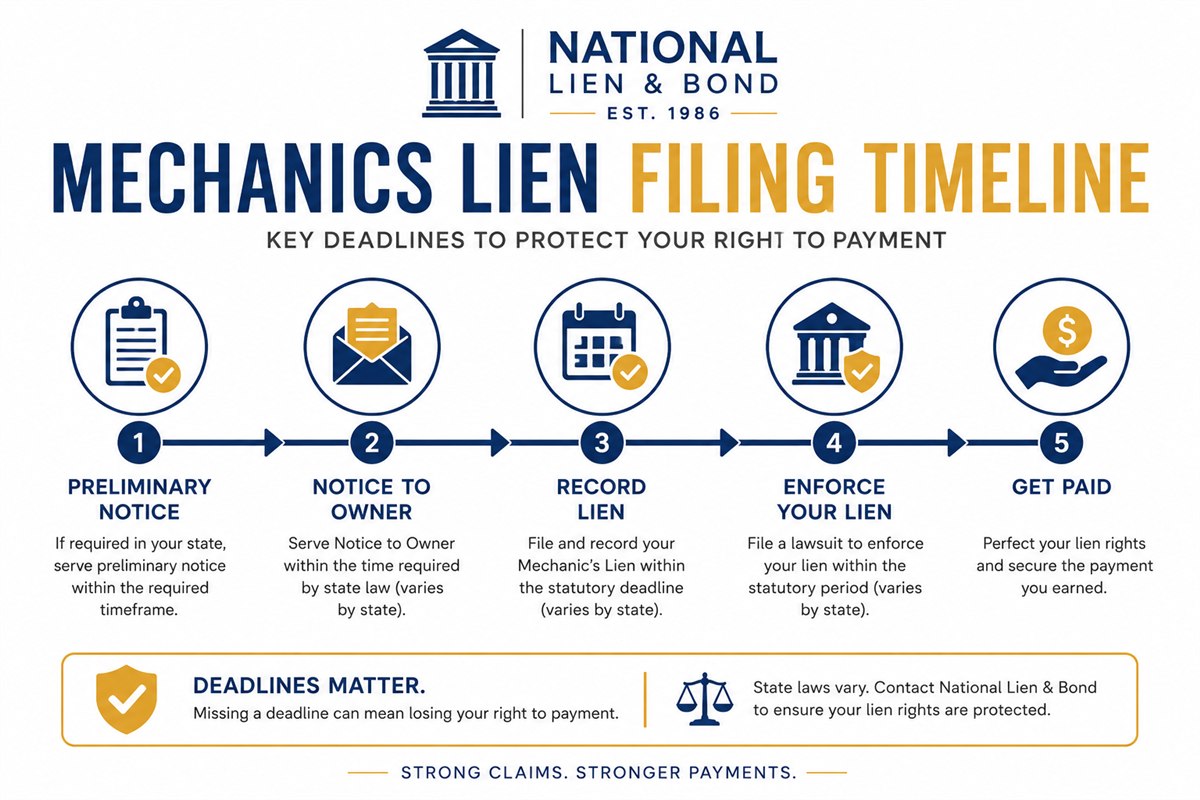
Filing a Lien to get paid for your work
A mechanics lien is a recorded claim against the property where you worked, giving you the right to have it sold to satisfy what you are owed. This overview covers the three core requirements every state shares: proper notice, accurate information, and meeting deadlines.
Read Article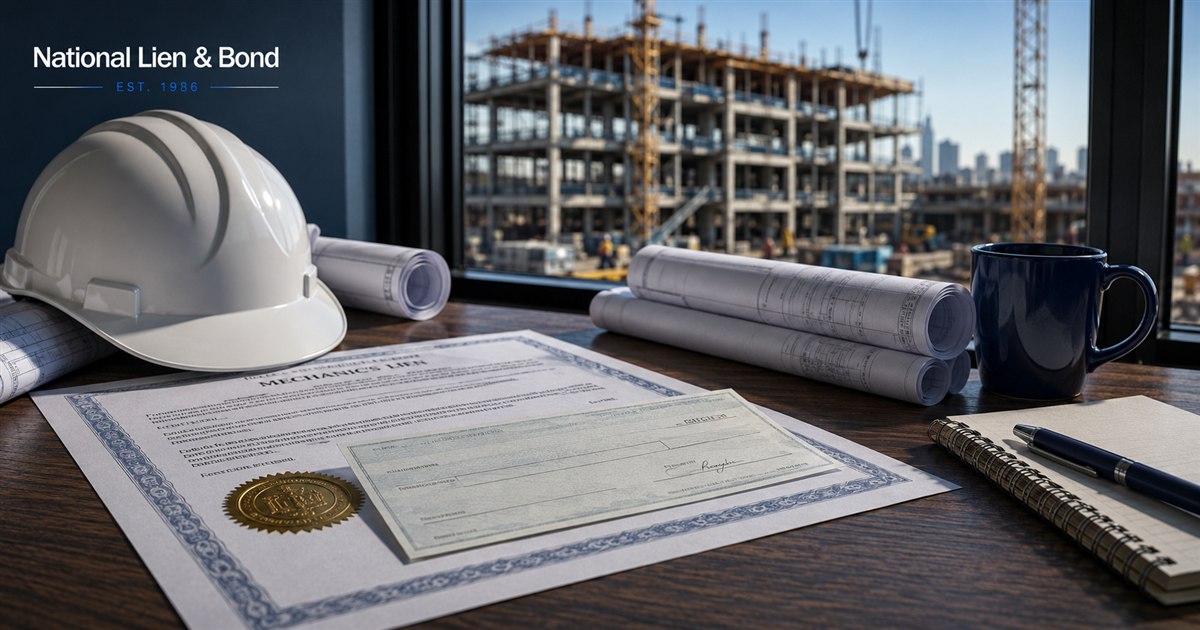
10 Ways a Mechanics Lien Gets You Paid
A mechanics lien is one of the most powerful payment-security tools available to contractors, subcontractors, and suppliers. Here are ten ways a properly perfected lien pressures owners and lenders to pay.
Read Article