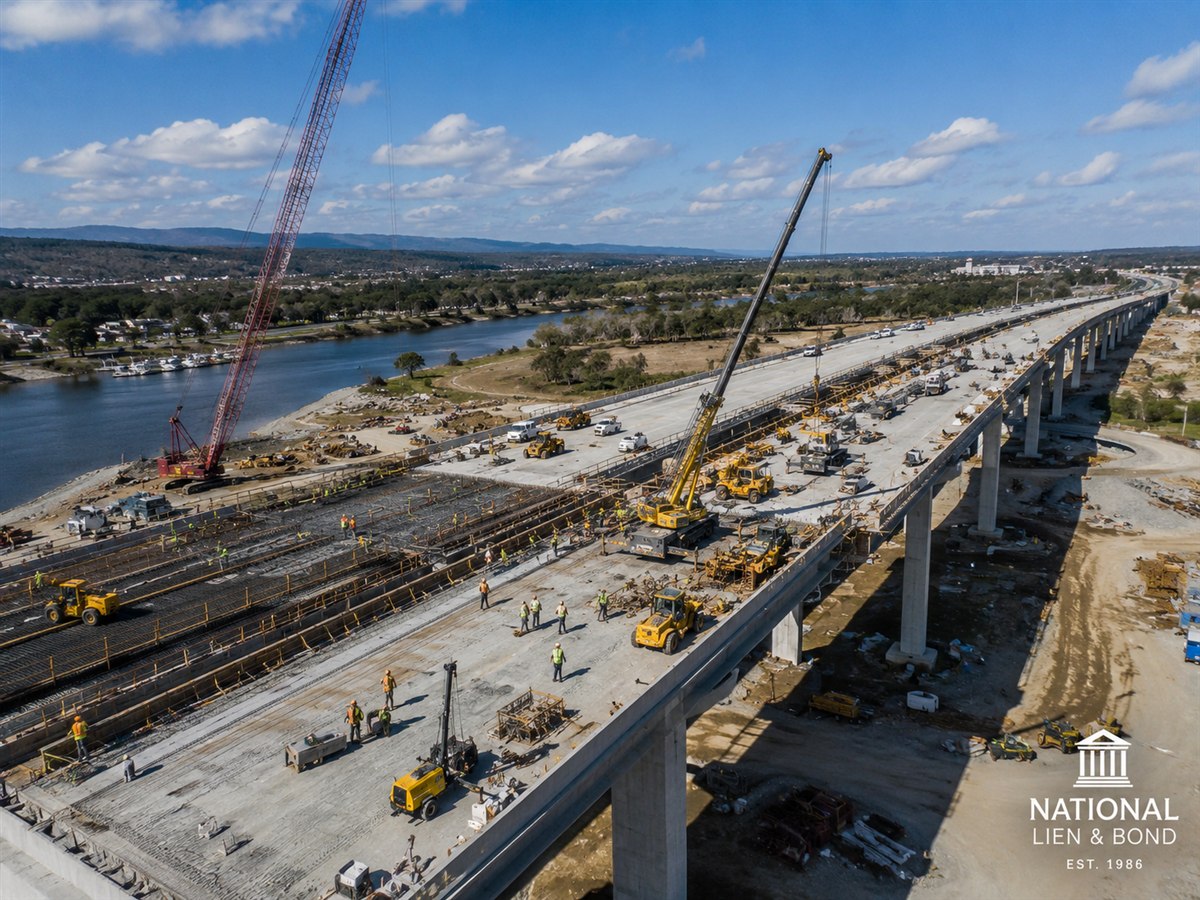
Where Construction Bonds Are Required on Public Work
Construction contractors are well familiar with their state's mechanics lien laws, but if they've never worked on a public works project, then the construction bond requirements may come as a bit of a surprise. However, when you learn more about bonds, you learn they're a great tool for protecting owners, subcontractors, and suppliers from payment problems on public projects, just like mechanics liens protect you on private projects. They also protect the project owner, in this case the federal, state, or local government, from problems and ensure the project is completed as anticipated.
Why are Construction Bonds Necessary?
When you get a contract to quote or do work on a publicly owned project, from building a new school to handling road maintenance, your customer (the owner) is the state. If there's a problem, it would be difficult to place a lien on the public piece of property and foreclose on it, especially if you're a subcontractor on the project. To get around this problem, the general contractor working on a public project purchases a construction bond, a surety which provide the dual benefit of protecting both sides of the arrangement. While some private projects also require bonds, almost all public projects require them.
Waiting on money for a job?
Tell us what happened and National Lien & Bond will connect you with an attorney in your state. Free consultation, no obligation.
Depending on the type of bond purchased, the bond company becomes responsible for both ensuring performance of the project and guarantee that contractors and subcontractors are paid. The surety company checks the general contractor to ensure they have the capabilities and financial wherewithal to manage and complete the project.
There are several types of bonds which can be purchased individually or as a package depending on the situation, the needs of the parties, and state laws. For example: bid bonds protect the property owner in the event they select a quote, and then the selected contractor backs out of the arrangement, performance bonds protect the owner and ensure the work on the project is completed to the highest standard indicated by the contract, while payment bonds ensure that the winning contractor has the means to pay their subcontractors and suppliers.
Where are Construction Bonds Required?
The exact requirements for construction bonds vary from state to state, so it's important to review them before bidding on a public project. The requirements may vary depending on whether the project is a state-level project, or whether it's being funded by a county or municipality. The requirements may also vary depending on the type of project, such as highway construction, public buildings, etc.
In general, there's a minimum contract value, and contracts under that value are exempted from obtaining construction bonds. The value of the bond may also vary from the entire value of the contract to a smaller portion of the contract amount.
If you're unsure whether the project you're working on requires a construction bond, or you want help you reviewing the specific situation and determine the best course of action, reach out to the team of experienced construction attorneys at National Lien and Bond. We offer lien seminars to help potential new clients get to know us while learning about the nuances of mechanics liens and construction bonds that apply to the area they're working in. Contact us today to set up a seminar for your company.
Waiting on money for a job?
Tell us what happened and National Lien & Bond will connect you with an attorney in your state. Free consultation, no obligation.
Related Articles
Federal Miller Act: Bond Protection for Subcontractors
The Federal Miller Act protects subcontractors and suppliers on public projects through payment and performance bonds. This post outlines the bond requirements and the notice, claim, and lawsuit steps for pursuing payment.
Read Article
The Little Miller Act: State Bond Protection
Public projects require prime contractors to post performance and payment bonds, but Little Miller Act rules vary by state. This post explains bond thresholds, coverage percentages, notice requirements, and filing deadlines for subs and suppliers.
Read Article
What Is a Surety Bond and How Does It Work?
A surety bond sets aside funds or resources to serve as security on a construction project. This guide explains payment and performance bonds, when they are required, and how to make a bond claim if payment is not made.
Read Article