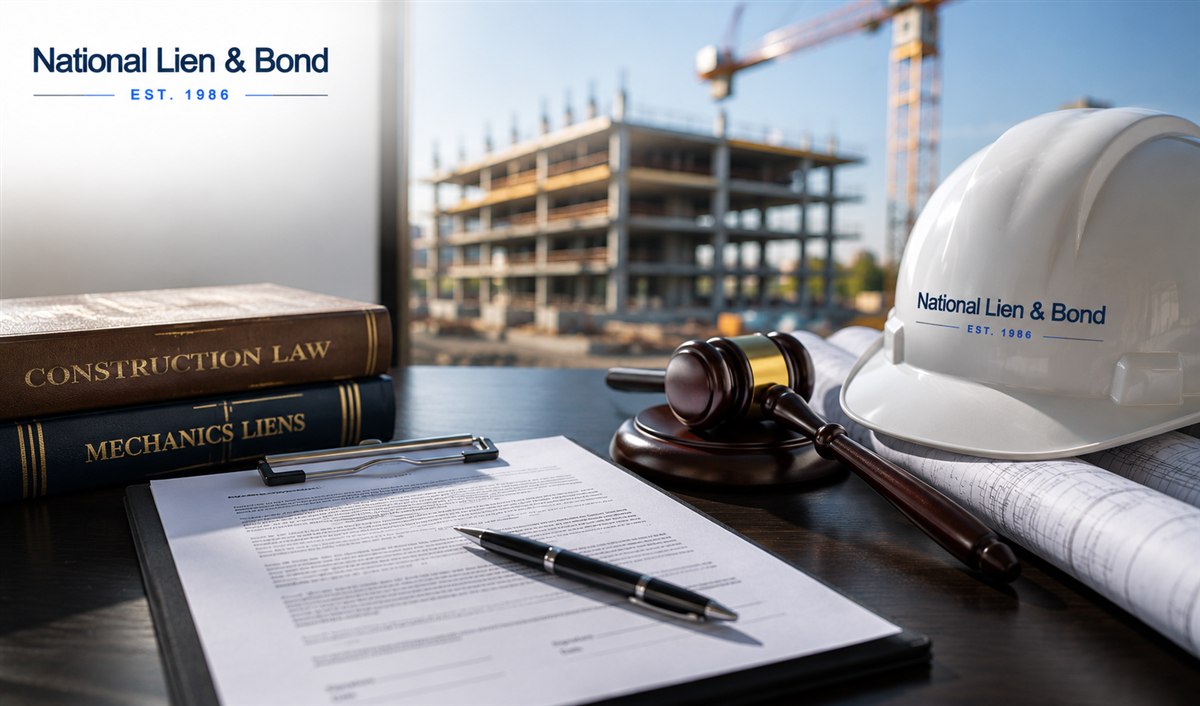
Construction Law 101: Which State’s Law Applies?
Construction projects often have a significant financial risk and physical liability. A whole body of construction law has grown around the construction business, contracts, and general best practices. This law is state-specific, meaning that there are slight or significant variations in the laws from state to state. Construction professionals need to understand the laws that apply to their business and have a good idea of what the laws are when they begin expanding their business or working on new types of projects. A company that handles construction of oil rigs in multiple states will need to pay attention to different rules than the contractor who only does residential plumbing in one town.
States have regulations on licensing professionals, business set up, insurances, mechanics liens, lien waivers, and collections. Some of these laws affect the setup and management of your business while others come into play only when there's an issue or disagreement about work performed or payment owed. It is wise for construction professionals to seek legal advice periodically throughout their careers.
When Should You Talk to a Lawyer?
Waiting on money for a job?
Tell us what happened and National Lien & Bond will connect you with an attorney in your state. Free consultation, no obligation.
When you first open your business, take the time to speak with a good construction attorney. They will not only help you with the basic setup of your business, they will also make sure you're aware of the regulations that apply to the types of projects you want to work on. They can help you set up your job contracts and intake forms and work with you to design internal business practices that ensure you are protected and ready to file a mechanics lien if the need arises. While speaking with a lawyer when you set up can seem a large expense, you'll get a significant value that will likely save you legal fees and headaches down the road.
As your business grows, your attorney will help you navigate hiring additional hands, getting appropriate insurance, work on bigger projects of different types, track and handle the lien process in multiple states, and more.
Construction Law Special Cases
Occasionally, you may run into a situation where there's a payment issue or someone on a project declares bankruptcy and freezes project funds. In these cases, a construction lawyer can step in to help you preserve your rights and negotiate timely payments.
For specialized projects, there are also a host of environmental regulatory laws that can apply. When renovating older buildings, for example, you may encounter asbestos. Handling and removing asbestos requires special training and equipment, so contractors need to be aware of the issue and not just toss the cancer-causing material in a hole. Regulations also apply when working on communications towers, infrastructure, and oil and gas projects.
Construction projects for the government have their own, different, set of laws that apply. Since you can't lace a mechanics lien on a public property, the prime contractor gets a surety bond. This gives the contractor and some of the sub-contractors assurance they will get paid for the work and gives the government assurance that the work will be performed as bid.
Construction law is a broad and exciting area of law and the attorneys at National Lien & Bond have significant experience will all parts of the construction process. If you want advice on setting up your contracts and lien process or if you're dealing with a major client going through a bankruptcy, our team has the experience and knowledge to help.
Waiting on money for a job?
Tell us what happened and National Lien & Bond will connect you with an attorney in your state. Free consultation, no obligation.
Related Articles
What Are Liquidated Damages in a Construction Contract?
Liquidated damages set the amount owed on a breach inside the contract itself, as a fair estimate of losses that are hard to measure. This guide explains when a liquidated damages clause is valid, the role of substantial completion, and how the amount is determined.
Read Article
Performance Bonds on Public Construction Projects
Explains how payment and performance bonds work on public construction projects. Since you cannot file a mechanics lien on public work, a bond claim and in many states a lien on public funds become the route to payment.
Read Article
The Importance of Dispute Resolution in Construction
Reviews the main construction dispute resolution methods: arbitration, litigation, and mediation. Explains contract terms to watch for, such as governing law, venue, and required in-person meetings before a formal claim.
Read Article